


Estimated Time to Read: 6 minutes
Texas Attorney General Ken Paxton (R) announced legal action as part of an investigation into what his office describes as an alleged effort to impose Sharia law within Texas. The investigation centers on an entity known as the Islamic Tribunal, which is accused of attempting to issue rulings based on religious doctrine in a way that may conflict with state and federal law.
According to the press release, the Office of the Attorney General has demanded documents and initiated a formal inquiry into whether the organization is engaging in unlawful activity. The allegation is not simply that religious arbitration is taking place, but that the tribunal may be presenting itself as an alternative legal authority capable of replacing or superseding Texas courts.
This distinction is critical and mirrors ongoing debates in Texas over whether the issue is one of new legislation or enforcement of existing law.
Existing Texas Law and Limits on Religious Legal Systems
Texas law already provides a framework that governs how disputes can be resolved, including through private arbitration. Religious arbitration is not inherently prohibited. Individuals are free to voluntarily resolve disputes using religious principles, so long as those arrangements remain within the bounds of contract law and do not violate public policy.
The key legal boundary arises when a private entity attempts to exercise authority reserved for the state. Courts established under Texas law are the only institutions that can issue binding legal judgments enforceable by the state. Any representation that a religious body can independently issue legally binding rulings outside that framework raises significant legal concerns.
The Attorney General’s investigation appears focused on whether that boundary has been crossed. If the Islamic Tribunal is found to operate as a parallel legal system rather than a voluntary arbitration forum, it would implicate existing statutes on the unauthorized practice of law, deceptive practices, or other violations related to the administration of justice.
Enforcement Versus New Legislation in Texas Sharia Law Debate
This development reinforces a theme that has emerged repeatedly in recent Texas policy discussions. The question is not necessarily whether new laws are needed to prohibit foreign or religious legal systems, but whether current law is being adequately enforced.
In previous legislative debates and ballot propositions, proposals aimed at banning the application of foreign law have often been framed as preventative measures. However, Texas courts are already constrained by constitutional protections, including due process, equal protection, and prohibitions on the establishment of religion.
Those protections function as guardrails that prevent the enforcement of any legal framework that conflicts with fundamental rights. In practice, that means courts cannot enforce religious rulings that violate statutory or constitutional standards.
The Paxton investigation signals a shift toward testing those boundaries through enforcement rather than legislation. As Paxton stated in the press release:
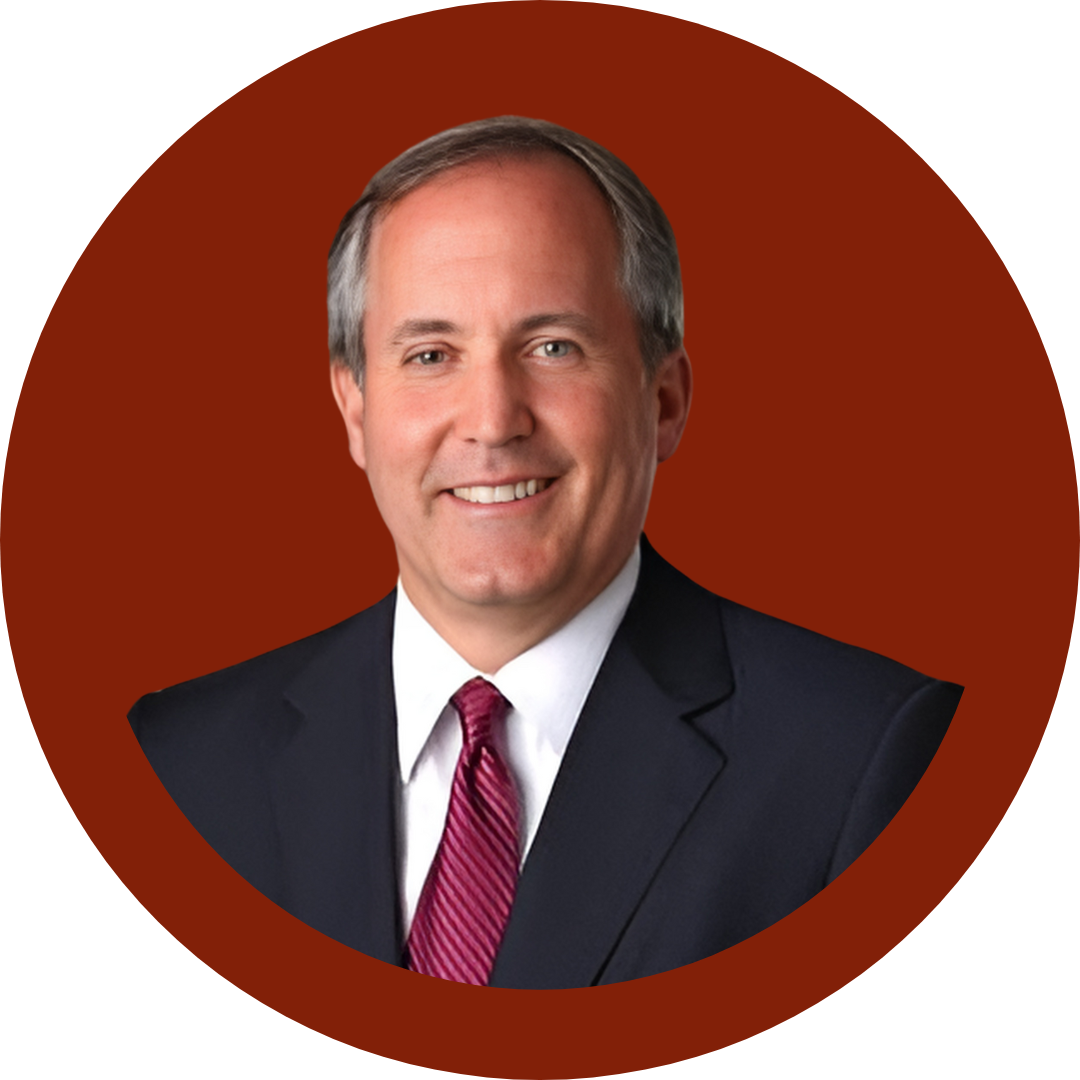
“Anyone or any entity that seeks to subvert the codified state and federal laws of this country will be stopped dead in their tracks. If the Islamic Tribunal is undermining the rule of law or misleading Texans about the legal authority it claims to hold, my office will ensure its operations are shut down. This is America, and we will not be governed by sharia law.”
Source: Attorney General of Texas Ken Paxton (R), Press Release 4.6.2026
This statement underscores that the focus of the action is not on religious belief itself, but on the perceived threat of any entity operating outside the established legal framework.
Attorney General Authority and Investigative Process in Texas
As part of the investigation, the Attorney General has issued a Request to Examine (RoE), a legal mechanism used to compel the production of documents and information. This tool is commonly used when the state is evaluating whether an entity has violated Texas law.
The purpose of this stage is fact-finding. The Attorney General’s Office will review materials to determine whether the Islamic Tribunal has misrepresented its authority, misled participants, or engaged in conduct that falls outside the protections afforded to religious organizations.
If violations are identified, potential outcomes could include civil enforcement actions, injunctions, or other remedies designed to bring the organization into compliance with Texas law. At this stage, the investigation does not represent a final determination. It represents the beginning of a legal process that will hinge on evidence and the application of existing statutes.
Broader Implications for Religious Liberty and Rule of Law in Texas
The investigation raises broader questions about how Texas navigates the intersection of religious liberty and the rule of law. Religious institutions enjoy strong constitutional protections, including the ability to govern internal affairs and resolve disputes among willing participants.
At the same time, those protections do not extend to creating independent legal systems that operate outside the authority of the state. The balance between these principles is well established in constitutional jurisprudence, but cases like this test how those principles are applied in practice.
The outcome of this investigation could provide clarity on how Texas intends to approach similar situations moving forward. It may also influence future legislative efforts, particularly if lawmakers seek to codify clearer standards around arbitration, disclosure, or the limits of religious tribunals.
A Test of Enforcement in Texas Sharia Law Debate
The legal action announced by Attorney General Ken Paxton (R) represents a significant development in an ongoing policy discussion in Texas. Rather than advancing new statutory prohibitions, the state appears to be testing whether existing law is sufficient to address concerns about parallel legal systems.
At its core, the case will turn on whether the alleged conduct involves voluntary religious arbitration or an attempt to assert legal authority outside the bounds of Texas law.
That distinction will determine not only the outcome of this investigation but also the direction of future debates. If existing law proves sufficient, it may reinforce the argument that enforcement, rather than new legislation, is the primary issue. If gaps are identified, it could provide a foundation for more targeted legislative action in the next session.
Either way, the case places renewed focus on a fundamental question in Texas policy. The issue is not simply what the law says, but whether it is being applied as intended.
Texas Policy Research relies on the support of generous donors across Texas.
If you found this information helpful, please consider supporting our efforts! Thank you!

