



Texas HouseStanding CommitteeEducation
House Committee on Public Education
89th Legislature (2025) · 15 members · 9R – 6D
Oversees public schools, school finance, elementary and secondary education programming, school districts, and related state agencies across Texas.
Leadership


Composition
Republicans: 9 (60.0%) · Democrats: 6 (40.0%) · 15 members
Members
89th Legislature (2025), listed by role, then alphabetically
 Alma Allen (D)House District 131 · Houston
 Trent Ashby (R)House District 9 · Lufkin
 John Bryant (D)House District 114 · Dallas
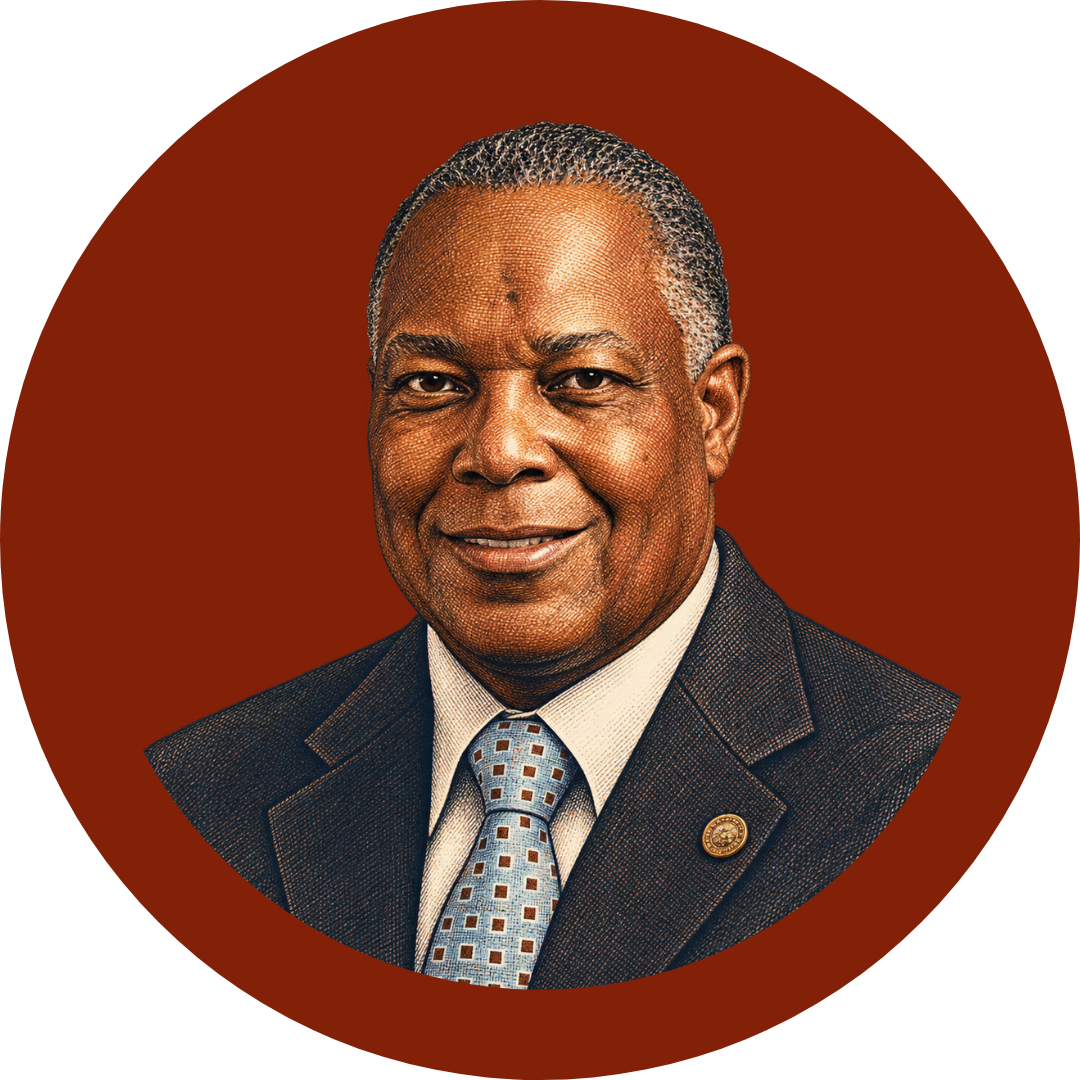 Charles Cunningham (R)House District 127 · Humble
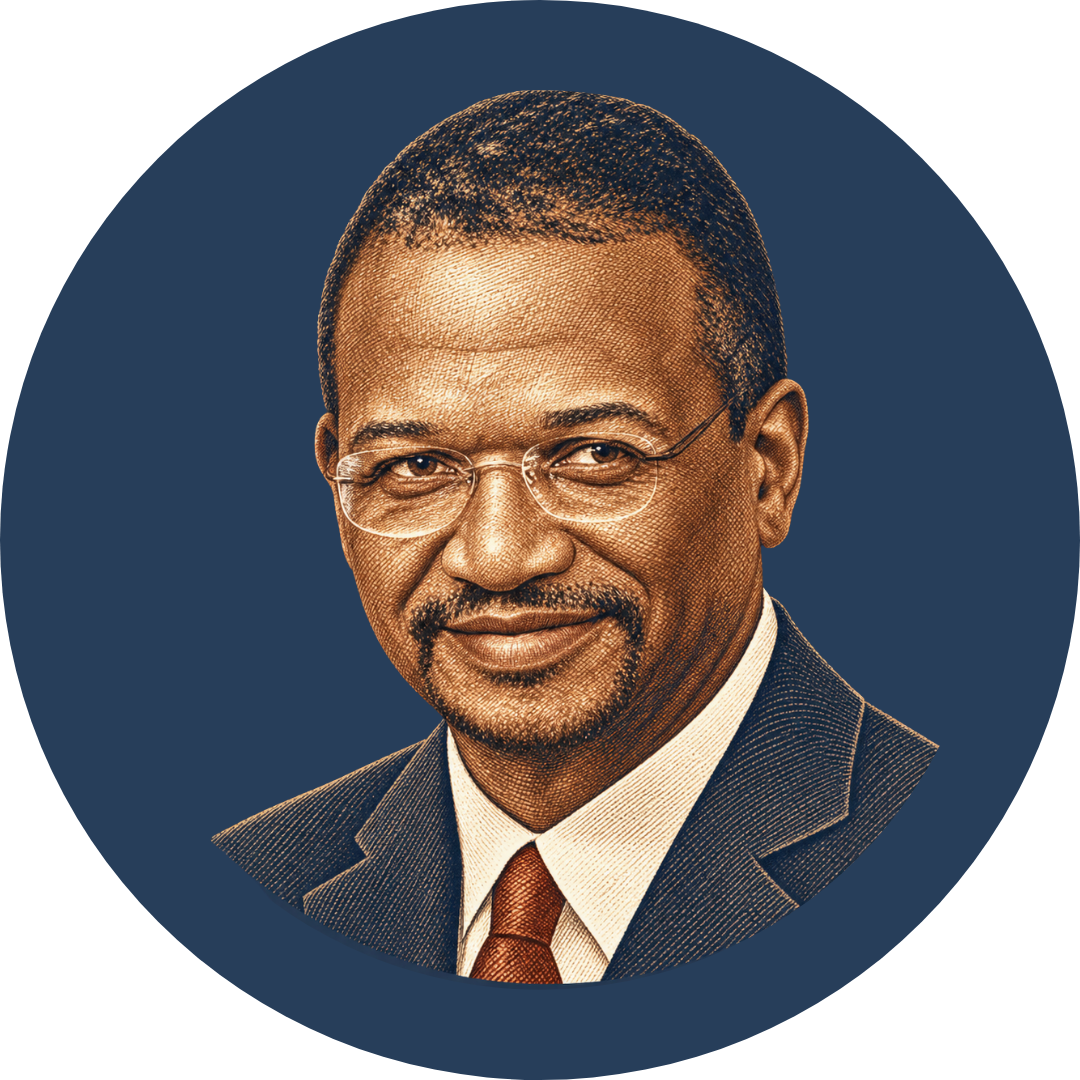 Harold Dutton Jr. (D)House District 142 · Houston
 James Frank (R)House District 69 · Wichita Falls
 Gina Hinojosa (D)House District 49 · Austin
 Todd Hunter (R)House District 32 · Corpus Christi
 Helen Kerwin (R)House District 58 · Glen Rose
 Jeff Leach (R)House District 67 · Allen
 Terri Leo Wilson (R)House District 23 · Galveston
 Alan Schoolcraft (R)House District 44 · McQueeney
 James Talarico (D)House District 50 · Austin
Activity
89th Legislature (2025), regular session
693Bills referred
124Reported out
17.9%Efficiency
23Meetings
Efficiency is the share of bills referred to the committee during the session that it reported out. Source: Texas Legislature Online committee reports.
Interim Charges
- Monitoring. Monitor the implementation and associated rulemaking of all legislation passed by the Committee and enacted by the 89th Legislature to ensure that legislative purposes are properly implemented, including the following:
- HB 2, relating to public education and public school finance;
- HB 6, relating to discipline management and access to telehealth mental health services in public schools;
- HB 8 (Second Called Session), relating to public school accountability and transparency, including the implementation of an instructionally supportive assessment program and the adoption and administration of assessment instruments in public schools, indicators of achievement, public school performance ratings, and interventions and sanctions under the public school accountability system, a grant program for school district local accountability plans, and actions challenging Texas Education Agency decisions related to public school accountability;
- HB 1481, relating to school district and open-enrollment charter school policies regarding student use of personal communication devices; and
- SB 2, relating to the establishment of an education savings account program.
- State of Education. Study the current state of public education in Texas. Examine academic outcomes, enrollment trends pertaining to the stability of the school finance system, school safety, and the role of technology and artificial intelligence. Identify emerging challenges, opportunities, and best practices to sustain and expand high-performing schools across Texas. Explore ways to streamline statutory and regulatory provisions to improve efficiency in district operations.
- Eliminate Educator Misconduct. Examine laws governing the prevention, reporting, and enforcement of educator misconduct to ensure the safety of Texas’ children. Review recently passed legislation, as well as educator employment and contract termination statutes, to assess whether districts have sufficient authority to take timely and appropriate action. Identify gaps in oversight and make recommendations to strengthen safeguards and ensure schools have the tools available to prevent individuals who pose a risk to children from entering or remaining in Texas schools.
- Improve Middle School Outcomes. Examine strategies to improve outcomes in middle schools. Focus on preparing students for high school success, increasing engagement, and expanding opportunities for career exploration. Review the implementation and effectiveness of advanced coursework, academic supports, interventions, and innovative models, particularly in core subjects.
- Teacher Recruitment and Retention. Study the impact of recent legislation, including the investment in educator preparation, increases in teacher compensation, additional classroom supports, and reformed student discipline policy. Review whether these significant changes are having an impact on school districts’ ability to recruit and retain qualified educators in the classroom. Make recommendations to strengthen the teacher pipeline and ensure Texas is well positioned to sustain a thriving and stable educator workforce.
- Investment in Special Education. Examine state policies impacting students with special needs and special populations, including the implementation of recent legislation and the impact of increases in state funding. Review trends in special education enrollment over the past several years and evaluate factors contributing to those increases. Identify opportunities and make recommendations regarding ways to improve efficiencies for special education teachers, increase access to Pre-K, improve supports for students with low-incidence disabilities, and strengthen planning for the workforce and adulthood.
- Agency Oversight. Pursuant to the broad oversight responsibilities granted to the Committee under Section 301.014, Government Code, and the House Rules of Procedure, monitor the agencies under the Committee’s jurisdiction, including for fraud, waste, and abuse, where applicable. The jurisdiction of the Public Education Committee includes the following agencies:
- The State Board of Education;
- The Texas Education Agency;
- The Texas representatives to the Education Commission of the States;
- The Southern Regional Education Board;
- The Texas School for the Blind and Visually Impaired;
- The State Board for Educator Certification; and
- The Texas School for the Deaf.
Jurisdiction
The committee shall have 15 members, with jurisdiction over all matters pertaining to:
- The public schools and the public school system of Texas and the financing thereof.
- The state programming of elementary and secondary education for the public school system of Texas.
- Proposals to create, change, or otherwise alter school districts of the state.
- The following organizations and state agencies: the State Board of Education, the Texas Education Agency, the Texas representatives to the Education Commission of the States, the Southern Regional Education Board, the Texas School for the Blind and Visually Impaired, the State Board for Educator Certification, and the Texas School for the Deaf.
- The committee has one permanent standing subcommittee, a
- Subcommittee on Academic and Career-Oriented Education
, to consider all matters relating to vocational, career, and technical training.
Source: Rules of the Texas House of Representatives, 89th Legislature.
Contact
Capitol locationCapitol Extension, E2.124
Phone(512) 463-0804
Subcommittees
- Subcommittee on Academic & Career-Oriented Education · Chair: Trent Ashby (R)
TPR Coverage
- Loading TPR coverage…