


Estimated Time to Read: 5 minutes
The controversy surrounding EPIC City, also referred to as “The Meadow,” has entered a new phase as Texas Attorney General Ken Paxton (R) formally advised the Collin County Commissioners Court to reject any further development applications tied to the project. The letter was submitted on March 10. 2026, signaling a clear escalation, moving beyond investigation and litigation into direct guidance for local decision-makers.
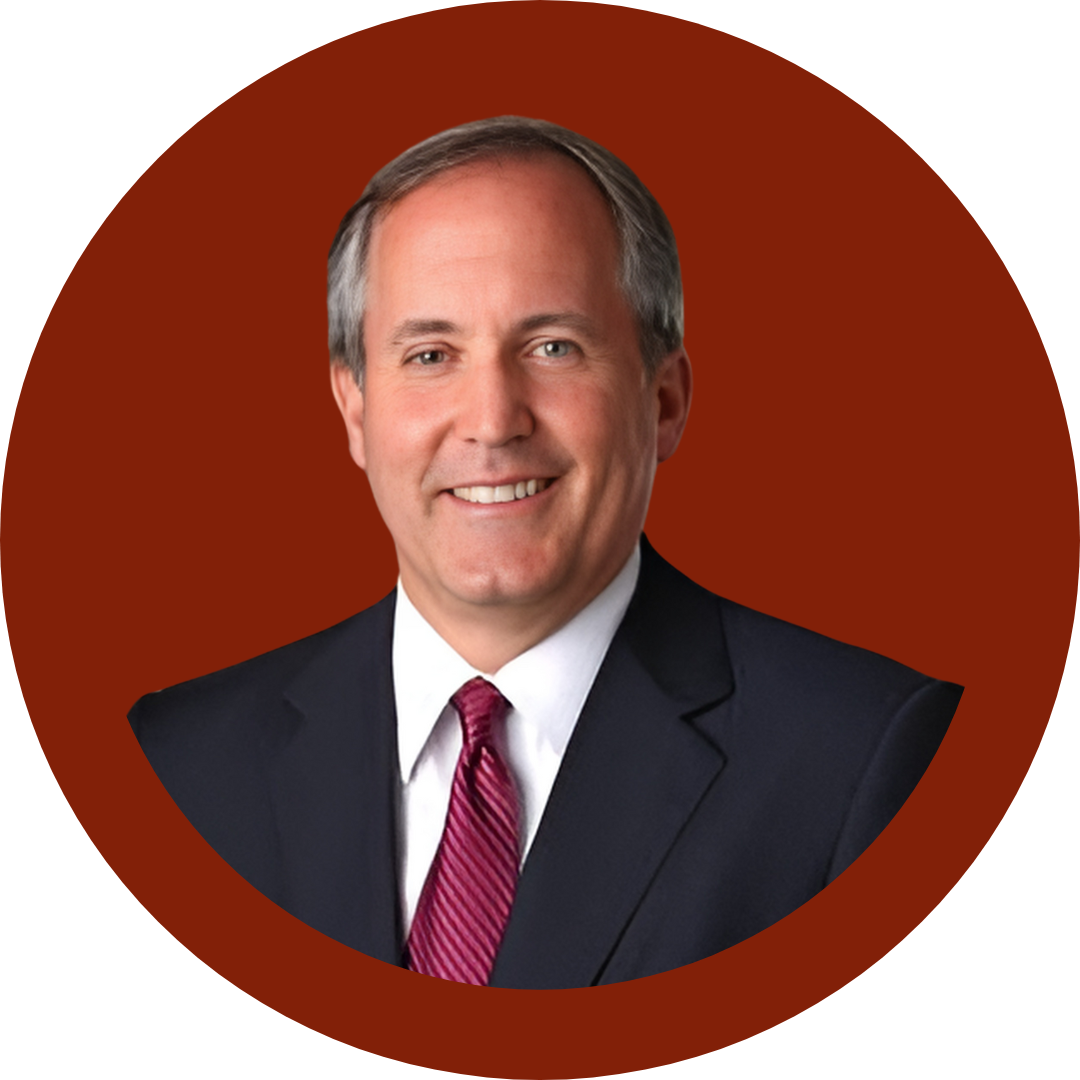
“From beginning to end, the East Plano Islamic Center development has been an illegal scheme designed to circumvent state law and destroy beautiful Texas land,” said Attorney General Paxton. “We must protect Texans from illegal schemes, and that’s why I’m advising the Commissioners Court to refrain from approving any new development and platting applications by the EPIC City developers.”
Source: Press Release, Texas Attorney General Ken Paxton (R), 3.11.2026
This development builds on months of growing scrutiny from both state and federal authorities. What began as a proposed residential development has evolved into a multi-layered legal dispute involving questions of land use authority, financial practices, and compliance with state and federal law.
Legal Challenges Facing EPIC City
At the center of the Attorney General’s letter is a challenge to the legal foundation of the project itself. Paxton states that his office has already filed suit to invalidate what it describes as an illegal annexation of land intended to facilitate EPIC City. The annexation was allegedly approved by a municipal utility district board that the state contends was unlawfully constituted, raising serious questions about whether the development has a valid legal pathway forward.
These concerns are not hypothetical. Collin County officials have already declined to approve the project’s plat application, citing deficiencies and insufficient information. The proposal known as “The Meadow Phase 1” represents the first step toward full buildout, yet Paxton explicitly advises the county to reject it due to its connection to ongoing litigation.
The legal exposure extends beyond land use. The Attorney General also outlines separate litigation involving alleged violations of securities laws by individuals and entities tied to the development. These allegations include claims of fraudulent fundraising practices, failure to screen for accredited investors, and misleading promotional materials suggesting the development may have been marketed in a legally problematic way. Additional claims that funds may have been diverted for personal use further complicate the project’s financial credibility.
Taken together, these issues create a cumulative legal burden that extends beyond the developers themselves and into any governmental body involved in approving or facilitating the project.
Broader State Scrutiny of EPIC City
The Attorney General’s letter does not exist in a vacuum. It reflects a broader pattern of legal and policy activity across Texas, where state officials have taken a more assertive posture toward developments and organizations that raise questions about regulatory compliance, financial transparency, and adherence to established law.
In the case of EPIC City, multiple layers of oversight are already underway. Federal authorities have opened an investigation into potential violations of fair housing law, as previously reported in our coverage of the HUD investigation into the EPIC project. At the state level, Governor Greg Abbott (R) has also taken direct action, directing agencies to examine related concerns tied to the development in a formal press release announcing the investigation into the East Plano Islamic Center project. These parallel efforts indicate that the project is being evaluated simultaneously across multiple legal frameworks.
Beyond the immediate legal issues, recent legislative and legal developments in Texas have increasingly focused on the intersection of foreign or religious legal concepts with American law. Texas lawmakers recently announced the formation of the Texas House Sharia-Free Caucus, signaling a growing legislative focus on ensuring that foreign legal systems do not influence Texas courts or public policy. In parallel, the Attorney General has also pursued litigation targeting organizations tied to similar concerns, including a lawsuit against the Council on American-Islamic Relations (CAIR) and the Muslim Brotherhood.
Together, these developments reflect a broader posture by state officials emphasizing enforcement of existing law, constitutional boundaries, and regulatory accountability. Within that context, the EPIC City dispute is not an isolated case but part of a wider shift toward increased scrutiny of complex developments involving overlapping legal, financial, and organizational structures.
Collin County Faces Key Decision
The immediate impact of the Attorney General’s letter is on the Collin County Commissioners Court, which must now determine how to proceed with current and future development applications tied to the project.
Paxton advises the county to use all lawful means available to deny further development efforts, while also encouraging officials to seek independent legal counsel given the complexity of the issues involved. This reflects the difficult position local governments face when state-level litigation intersects directly with local permitting authority.
Ultimately, the long-term outcome of the EPIC City proposal will likely be determined in the courts. Ongoing litigation related to annexation and securities law violations will play a central role in shaping what options remain available to developers. Additional findings from state and federal investigations may further influence the project’s viability.
For now, the Attorney General’s letter serves as a clear signal that, in the view of the state’s chief legal officer, the legal uncertainties surrounding EPIC City are substantial and unresolved, and that moving forward with development carries significant risk.
Texas Policy Research relies on the support of generous donors across Texas.
If you found this information helpful, please consider supporting our efforts! Thank you!

